

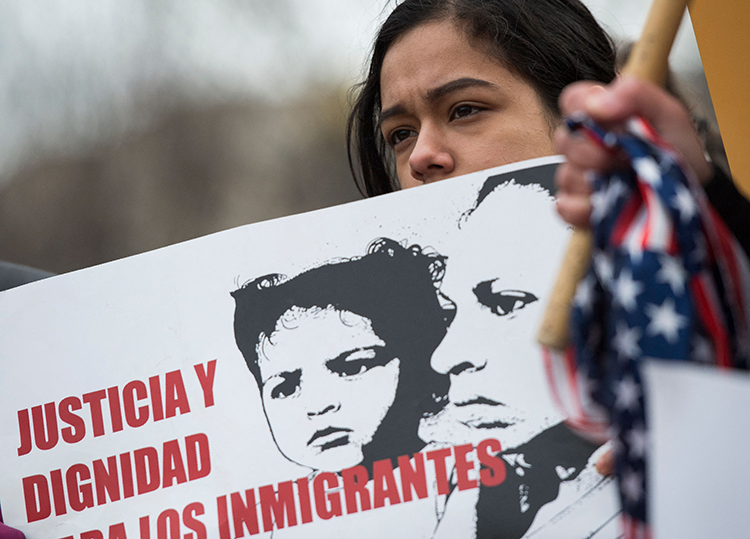
This week, a 3-year-old immigrant from Guatemala who is represented by the ABA’s South Texas Pro Bono Asylum Representation Project has his asylum interview in Houston.
His ProBAR attorneys plan to be at that interview, despite recently losing all federal funding for their work with unaccompanied immigrant children on the border.
“If we had said we weren’t going to represent him anymore, he literally could not have spoken for himself,” says Lauren Fisher Flores, the legal director at ProBAR. “There’s just absolutely no way that he would have another attorney that could do the preparation that was needed for his case.”
For 20 years, the ABA Commission on Immigration has been part of the national legal network that serves unaccompanied children—initially through ProBAR, which is based in Harlingen, Texas, and later through its Children’s Immigration Law Academy in Houston and Immigration Justice Project in San Diego. This network of nearly 100 nonprofit organizations is assembled under the Acacia Center for Justice, which as of late July is no longer being funded by the federal government.
ProBAR not only represents the 3-year-old from Guatemala but nearly 250 other immigrant children whose cases are now in limbo, Flores says.
“We’re in triage mode,” Flores says. “Based on our values and our professional ethics, we can’t just leave the kids unrepresented.”
“I hope eventually there will be other legal services, because that’s what these kids deserve,” she adds. “But for now, we are trying to maintain our caseload so that they don’t have negative consequences because of this change. It’s not something they chose.”
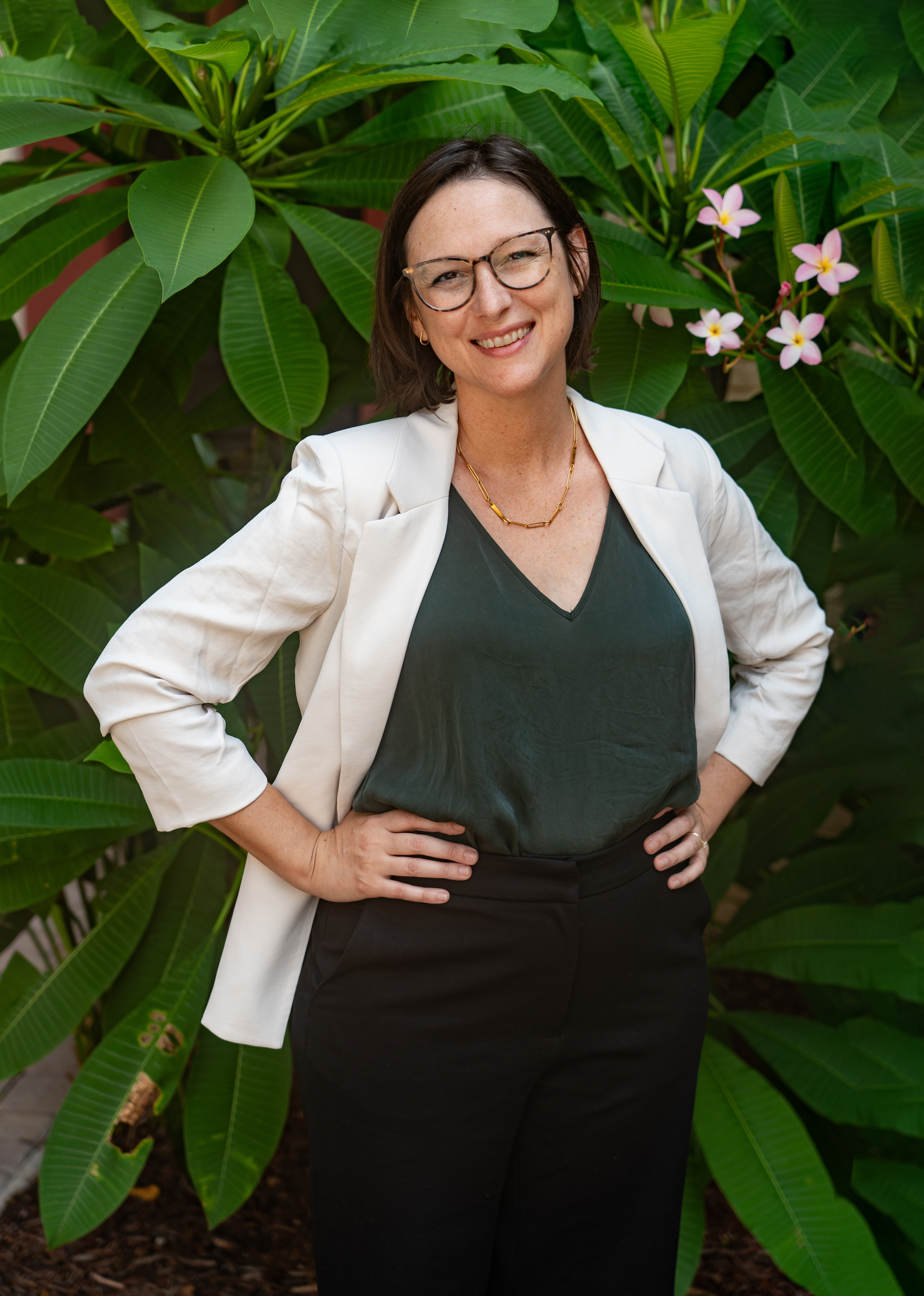 Lauren Fisher Flores.
‘We will not abandon our clients’
Nationwide, more than 20,000 unaccompanied children are represented by the ABA and other legal services providers who were in Acacia’s network, according to Meredith Linsky, the director of the ABA Commission on Immigration.
“Many of these children have endured much hardship in their home countries, on their travels to the U.S., and sometimes upon their arrival; and the abrupt loss of the lawyers and organizations that have provided them with expert, trauma-informed and child-friendly immigration legal services will undoubtedly create additional challenges for them,” Linsky says.
As part of their work, ProBAR and the Immigration Justice Project provide direct legal services to children held in Office of Refugee Resettlement custody as well as children who have been released to family.
The ABA Commission on Immigration also launched the Children’s Immigration Law Academy in 2015 to help train and support legal services providers who focus on immigrant children.
The loss of federal funding will not deter the commission from its vital work but will impact the breadth and scope of services its lawyers are able to provide, Linsky says. ProBAR, instead of offering assistance to newly arrived children in shelters in south Texas, will focus on representing its active clients. ProBAR also will answer calls from a new hotline it created for children in shelters in the region.
“Without [Unaccompanied Children Program] funding, organizations like ProBAR can no longer visit children in shelters to provide legal services such as know-your-rights presentations, legal intakes or even offer to represent them in court,” according to ProBAR’s announcement of its “Detention Orientation & Resources for Youth” hotline.
 Meredith Linsky.
The federal funds made up the majority of ProBAR’s funding, Linsky notes.
The Children’s Immigration Law Academy, which also was mostly federally funded, remains committed to assisting the attorneys and organizations that represent unaccompanied children, says its director and co-founder, Dalia Castillo-Granados.
CILA responds to legal technical assistance questions, coordinates in-depth trainings and webinars and updates its website regularly with legal updates and other resources. It also hosts working groups on different issue areas related to the representation of children.
Castillo-Granados is speaking to funders and trying to raise money through individual donations, she says. While nothing is concrete, CILA is “trying to be as creative as possible” and exploring other options, such as a subscription-based model for some services, she says.
“We want to continue doing this work, because we’re the only legal resource center in the nation that focuses specifically on unaccompanied children,” Castillo-Granados says. “We think it’s just such a valuable resource for attorneys that work at nonprofit organizations and for pro bono attorneys who don’t have expertise in this area.”
The Immigration Justice Project received a smaller amount of federal funds to provide services to released children in and around San Diego and will be able to cover the loss with funding from the state of California, Linsky says.
“We will not abandon our clients or the cause, but the funding cuts will significantly alter how many children we are able to assist and in what ways,” Linsky says. “This is a very unfortunate development, not just for the children, but also for the system that has come to rely on our expert services to help facilitate the adjudication of children’s cases in a fair and efficient manner.”
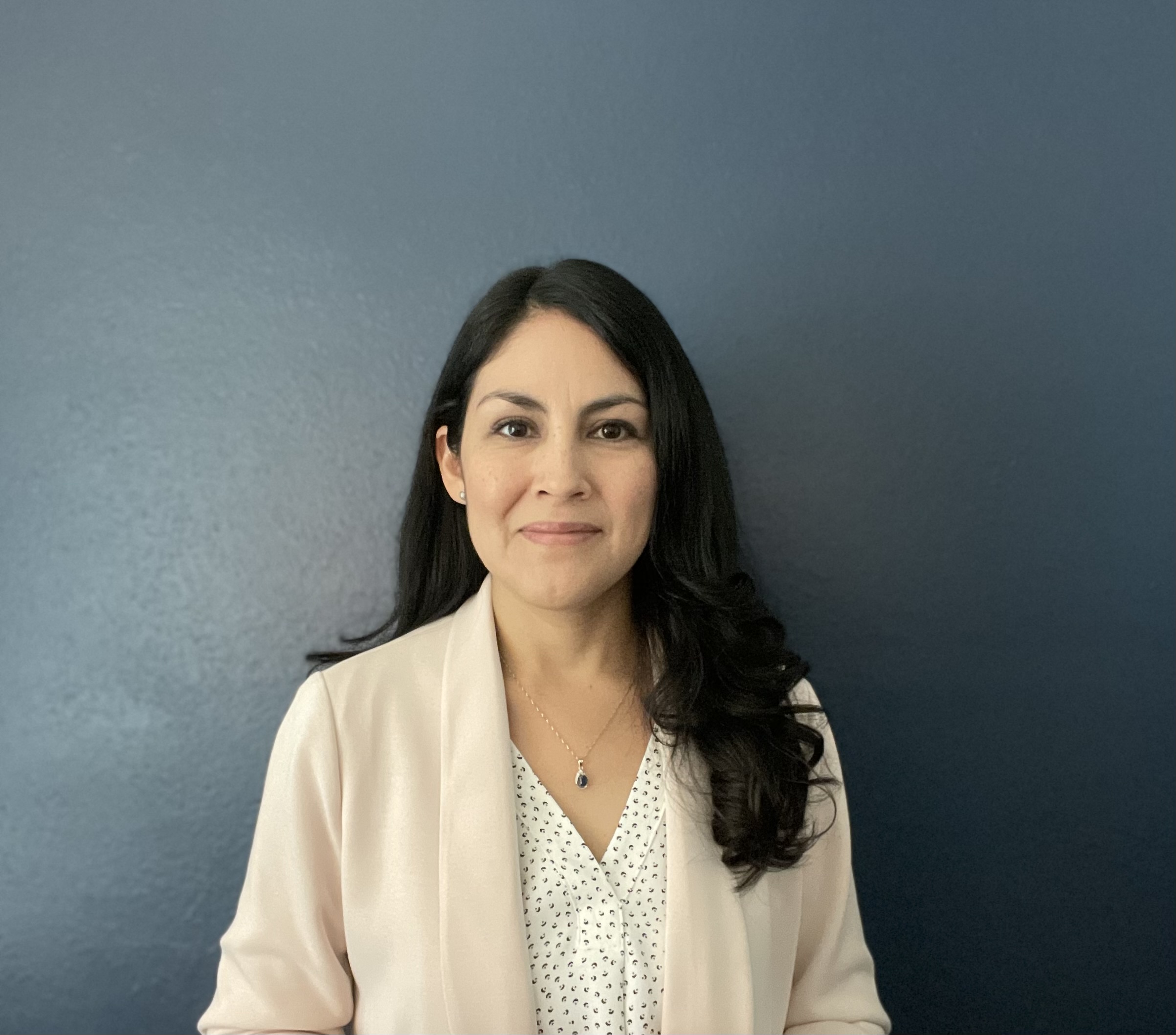 Dalia Castillo-Granados.
Earlier this month, President Donald Trump’s administration awarded Our Rescue, an anti-human trafficking organization that helps law enforcement identify predators and rescue survivors, with a federal contract to provide legal services to unaccompanied children. Its CEO, Derek Benner, was executive associate director of the Department of Homeland Security’s Homeland Security Investigations during Trump’s first term.
Our Rescue did not respond to a request for comment for this story.
Even before the expiration of its federal contract, Acacia was locked in a dispute with the Trump administration over the unaccompanied children program. In March 2025, the administration abruptly canceled its contract with Acacia but was forced to restore the funds amid ongoing litigation. Then, at the end of last year, it began withholding payments after legal services providers reportedly refused to share sensitive information about their clients.
In early August, a federal judge in California ruled that the Trump administration must compensate legal services providers $65 million for their unpaid work.
Because of funding cuts, the ABA Commission on Immigration additionally has experienced significant staffing changes, Linsky says.
To support the ABA’s work, donations can be made to the Commission on Immigration or its separate projects through this website. To donate to ProBAR directly, you may do so here.
Originally published in the ABA Journal on August 25, 2026.